Is Buying A Mirada Home A Good Rental Strategy?
May 14, 2026
May 14, 2026
Wondering whether a home in Mirada could become a smart rental property? It is a fair question, especially in a fast-growing part of Pasco County where lifestyle-focused communities can draw strong interest from renters. If you are thinking about buying in Mirada for investment purposes, the key is to look past the lagoon headline and study the lease rules, costs, and product type carefully. Let’s dive in.
The short answer is yes, but only in the right situation. Mirada appears to be better suited to a long-term rental strategy than a short-term or vacation-rental approach.
That distinction matters. Public-facing community information points to a minimum 6-month lease term, a ban on renting individual rooms, and a prohibition on short-term rentals. If your plan depends on frequent turnover or short stays, Mirada likely will not line up with your goals.
Mirada stands out because it offers more than just housing. The community is marketed as a master-planned lagoon community in Pasco County with a 15+ acre MetroLagoon, gated entry, ULTRAFi high-speed internet, solar-powered streetlights, walking and biking trails, a dog park, and a tot lot.
For renters, that can be a real draw. A home in Mirada may appeal to people who want a neighborhood with built-in recreation, convenience, and a polished feel instead of a more basic subdivision experience.
Mirada’s amenity package helps shape its rental appeal. Resident benefits tied to the lagoon include access perks and discounts on certain rentals and activities, which may strengthen the community’s lifestyle story when you market a home for lease.
That can matter if you are targeting long-term tenants who value convenience and community features. Remote workers, relocation renters, and households looking for a more amenity-rich environment may see added value in a neighborhood like this.
Mirada is positioned with access to major highways and broader Tampa Bay destinations. The community is described as having convenient access to Tampa, St. Petersburg, and nearby beaches, which supports its appeal for commuters and relocation-minded renters.
Of course, drive times vary by traffic and destination. Still, location is part of the reason Mirada may be worth a look for buyers considering a traditional rental hold in 33576.
If you are evaluating Mirada strictly as an investment, this is where you need to slow down and verify details. Public-facing information indicates a minimum 6-month lease term, no short-term rentals, no room rentals, and a renter application fee.
Those rules suggest Mirada is designed for more stable, traditional leasing. That can still work well for the right investor, but it changes how you should run the numbers.
Florida law gives associations room to regulate rentals in their governing documents. Under Florida Statutes section 720.306, associations may limit rental agreements under 6 months and may also restrict how often a parcel can be rented within a calendar year.
For you, the takeaway is simple: do not assume flexibility. Before you buy, confirm the exact rules for the specific home, parcel, and sub-association involved.
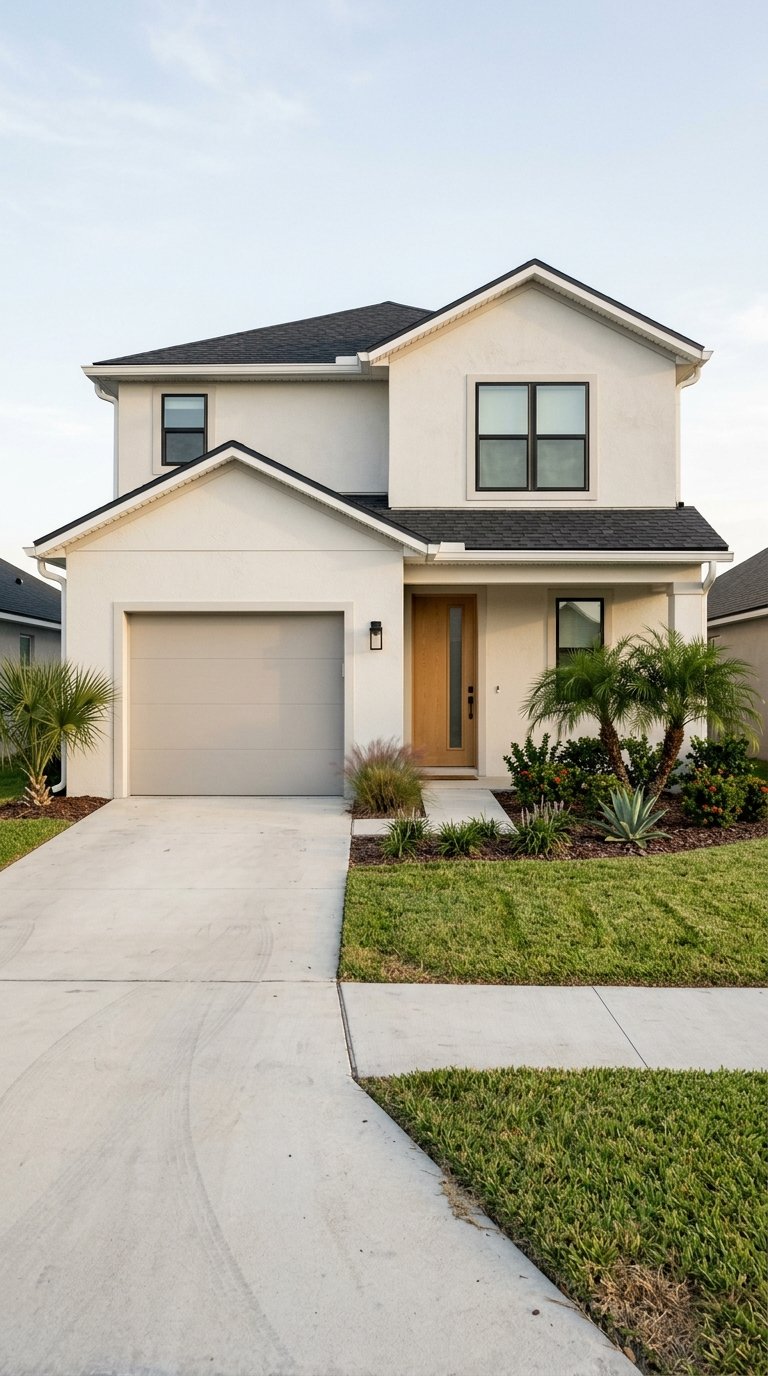
Mirada includes multiple housing types, including townhomes, villas, single-family homes, and a 55+ active-adult section. That means one property may not be comparable to another, even if both share the same community name.
A townhome and a larger single-family home often attract different renters, command different rent levels, and carry different ownership costs. If you are looking at Mirada as a rental strategy, make sure you are underwriting the exact product, not the community in general.
The official community description notes a 55+ active-adult section called Medley at Mirada. If a property is located there, your rental audience may be narrower than it would be in a general-age section of the neighborhood.
That does not automatically make it a poor investment. It simply means your tenant pool, lease-up timeline, and pricing strategy may be different.
Mirada’s strongest selling points also come with ongoing costs. One of the most important is the Community Development District, or CDD, assessment structure.
According to Mirada’s CDD materials, the annual assessment includes two parts: a bond assessment and an operations and maintenance assessment. The bond portion typically helps repay infrastructure and common-area costs and may last around 30 years, while the operations and maintenance portion is set annually and does not go away.
This is a major underwriting issue. Mirada’s FY2026 adopted CDD budget shows that annual assessments vary by product type and phase.
Examples include:
That is why broad estimates can be misleading. You need the exact lot class and phase for the specific home you are considering.
Mirada’s FY2024 audited financial statements also show that the district relies heavily on special assessments and bonded debt, including outstanding bonds of $42.14 million. In plain terms, the lifestyle package that helps attract tenants also creates real carrying costs for owners.
This does not mean a rental purchase is a bad idea. It means you should treat the community’s costs as a core part of the investment thesis, not a footnote.
If you are buying a Mirada home as a rental, you should generally not underwrite it using homestead tax treatment. The Pasco County Property Appraiser states that a property must be the owner’s primary permanent residence on January 1 to qualify for homestead exemption.
For an investor, that usually means planning for non-homestead ownership costs. If your numbers only work with owner-occupant assumptions, the property may not be a strong rental candidate.
The broader Pasco County market adds context. The U.S. Census Bureau QuickFacts page lists a July 1, 2025 population estimate of 674,516, which is up 20.0% from April 2020.
That level of growth can support housing demand over time. The same source reports a median gross rent of $1,505 and an owner-occupied housing unit rate of 75.7%, suggesting a meaningful renter base across the county.
Mirada is not likely to win tenants by being the cheapest option. Instead, it will usually compete on community features, home condition, and overall lifestyle appeal.
That means your success as a landlord may depend on buying the right home at the right basis, pricing it realistically, and presenting it well to the long-term renter market. It is also worth remembering that the community is still expanding, which may create future competition as more housing inventory comes online.
A Mirada rental purchase may be worth considering if your goals match the community’s structure. In most cases, that means you are comfortable with a long-term hold and you have verified the lease rules before going under contract.
It may be a stronger fit if you:
Mirada may be a poor match if you need flexibility that the community does not appear to allow. It may also be less attractive if the carrying costs push your margins too tight.
You may want to look elsewhere if you:
So, is buying a Mirada home a good rental strategy? It can be, but it is a conditional long-term play, not an automatic win.
The community’s lagoon, gated setting, internet package, trails, and overall master-planned feel may help attract renters who want more than a standard neighborhood. But the lease restrictions, product-by-product cost differences, 55+ section, CDD assessments, and likely non-homestead tax treatment mean you need to evaluate each property carefully.
If you are exploring Mirada as an investment, the smartest next step is to review the exact parcel details, governing documents, and ownership costs before you make an offer. For local guidance on homes in Pasco County and the Greater Tampa Bay market, connect with Platinum Property Collective with REMAX.
Stay up to date on the latest real estate trends.

We are committed to guiding you every step of the way—whether you're buying a home, selling a property, or securing a mortgage. Whatever your needs, we've got you covered.