Thinking about building new in Mirada but not sure what happens after you sign? You are not alone. New construction in a master-planned community feels exciting, yet the steps, timelines and fees can be confusing if you have never done it. In this guide, you will learn what to expect from contract to closing in 33576, how to protect your budget, and where to verify key details before you commit. Let’s dive in.
Mirada overview and what to verify
Mirada is a large, master-planned community in Pasco County where multiple builders may offer different home types and price points over time. Before you visit model homes, confirm who is actively building, what product lines they sell, and which lots are available. Builders, base prices and lot premiums can change.
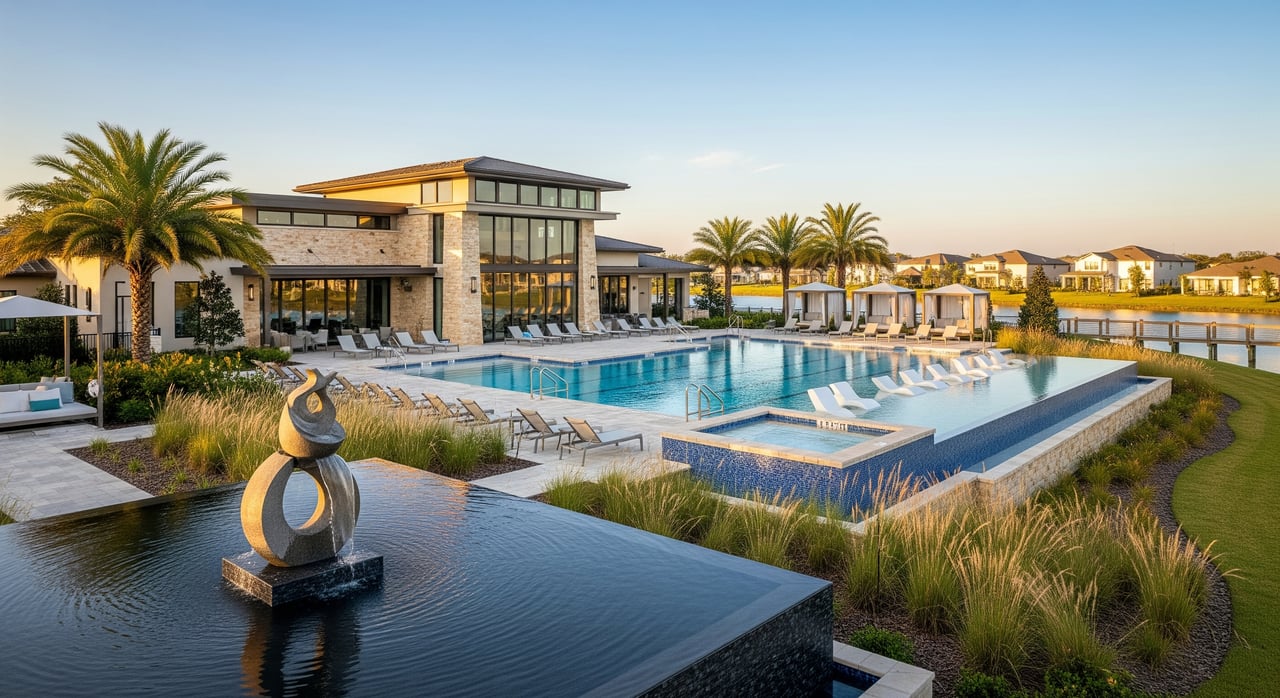
Amenities are a major draw in communities like Mirada. Ask which amenities are open today versus planned for future phases. Amenities can affect HOA dues and special assessments, so it is smart to get a clear picture of what you are paying for and when it will be delivered.
Most Tampa Bay master-planned communities use both an HOA and a Community Development District. The HOA handles rules and common areas. The CDD funds community infrastructure and usually appears as an assessment on your property tax bill. Verify whether Mirada has a CDD, how the assessment is billed, and what the current amount is per lot type.
Mirada sits within an active growth corridor, so you will want to consider commute routes and nearby services. Look at access to major roads like I-75, I-275 and SR-56, and check school zoning through the Pasco County School District. Keep your evaluation neutral and focus on fit, access and convenience for your daily routine.
Your contract-to-close timeline
Timelines vary by builder and by whether you choose a completed spec, a quick-move-in home, or a new build on a lot. Use these ranges as a planning guide, then confirm specifics with the on-site sales team.
Pre-contract prep (1–6 weeks)
- Get pre-qualified with a lender familiar with new construction. If you need a construction-to-perm loan, confirm your lender offers it.
- Decide on your path: spec/quick-move-in or a ground-up build on an available lot.
- Verify lot availability, premiums and any easements or paired-lot constraints that affect yard space or build options.
Contract day: what you sign
- You will sign a builder purchase agreement that sets your base price, lot premium, included features, deposit schedule, estimated timeline, inspection rights and warranty outline.
- Expect to pay an initial deposit when you sign. The amount and refund rules vary by builder and home type. Get the refund policy in writing.
Design selections (2–10 weeks)
- You will have appointments to choose structural options, finishes and upgrades. Deadlines for selections and deposits are usually strict.
- Certain selections have longer lead times, so making choices quickly helps keep your build on track.
Permitting and site work (2–12+ weeks)
- Builders either use master permits or apply per lot. Pasco County permitting and utility taps can affect how fast your home starts.
- If your lot is already permitted, the start can be faster. If not, expect this stage to set the pace.
Construction milestones (1–12+ months)
- For a spec or quick-move-in home, closing can be as fast as 30–120 days from contract.
- For a ground-up build, many homes complete 4–10 months from construction start, depending on size, options and season. If permits are not in place, plan on 6–12 months or more from contract.
Walkthroughs and inspections
- Most builders offer a pre-drywall walkthrough and a final walkthrough. Some allow independent inspections at set stages. Check your contract for what is allowed.
- Keep notes, photos and a simple punch list as you go. Written records help ensure smooth resolutions.
Final steps and closing (last 2–4 weeks)
- The home must pass its final inspection and receive a Certificate of Occupancy or Temporary CO.
- You will complete your final walkthrough, confirm punch-list items, finalize your loan, transfer utilities and schedule your closing.
Money, deposits and financing
Deposits and refunds
- Builders set their own deposit requirements and refund policies. You may see an initial deposit at contract and additional deposits for structural or design upgrades.
- Some deposits become non-refundable after certain stages. Ask for a written schedule that shows dates, amounts and refund rules.
Financing routes
- For spec or quick-move-in homes, a standard mortgage after appraisal is common.
- For new builds, your options usually include a mortgage that funds after the CO or a construction-to-perm loan that funds draws during the build. Work with a lender that handles construction draws and inspections.
- Ask whether the builder offers preferred-lender incentives. Compare offers and terms with an independent quote so you know the net benefit.
Appraisal and value
- The appraiser values the home as built, including included options. If you add extensive upgrades that go beyond recent comparable sales, the appraisal may not support the full cost.
- Keep a list of upgrades with prices. Review how each one could affect appraised value versus out-of-pocket cost.
Closing costs and recurring costs
- Florida closing costs often include lender fees, title and closing fees, escrows for taxes and insurance, and state taxes tied to deeds and mortgages. Exact amounts vary by transaction and should be confirmed with your title company and lender.
- Recurring costs include HOA dues, CDD assessments, property taxes, homeowner’s insurance and flood insurance if required by your lender. Budget for these early so there are no surprises.
HOA, CDD and taxes in 33576
- HOA: Review community covenants, rules, architectural controls, pet and rental policies, amenity access and any one-time transfer or initiation fees. Ask how dues differ by product type.
- CDD: Confirm whether Mirada has a CDD, how the assessment is billed, and the current amount for the lot you are buying. CDDs in this region often appear on the annual property tax bill and fund roads, utilities and amenities.
- Taxes: Property taxes are paid to Pasco County. New construction assessments can be prorated at closing. Verify how your home will be assessed in its first year.
Design center strategy
Prioritize these first
- Structural items that change the footprint, like room extensions or garage options, must be locked early because they affect the build plan.
- Exterior choices like elevation, brick or stone, and roof color may have community rules. Confirm what is allowed on your lot.
- Mechanical upgrades, such as HVAC improvements, need early decisions due to lead times.
Avoid change-order creep
- Change orders add cost and can delay your timeline. Bundle all needed changes early and ask for written pricing and any updated completion date before you approve.
- Keep a ranked list of must-haves versus nice-to-haves. Focus your budget where changes are hard to do after closing, like flooring under cabinets or shower tile.
Keep selections on schedule
- Show up prepared with inspiration photos, sample boards or a simple color story.
- Ask which selections have the longest lead times. Make those decisions first so availability does not hold you up.
Inspections, CO and warranties
Which inspections to plan
- Expect builder inspections during foundation, framing and mechanical rough-ins. Most builders let you attend a pre-drywall and a final walkthrough.
- If your contract allows independent inspectors, consider pre-drywall and final inspections. Confirm timing, access rules and insurance requirements for your inspector.
CO and utilities
- You need a Certificate of Occupancy or Temporary CO for closing and move-in. Once issued, you can transfer utilities like electric, water and sewer to your name.
- If the community uses a central or private utility provider, ask about set-up steps and timing.
Warranty and service after closing
- Many builders offer a blended warranty model, often 1 year for workmanship, 2 years for systems and 10 years for structural items. Details vary by builder, so review the actual warranty booklet before you sign.
- Confirm how to submit claims, expected response times and whether there is a 30–90 day post-close touchpoint to address minor items as the home settles.
Must-ask checklist for Mirada
Bring this list to the sales center and your lender:
- Which builders are active today, and which floor plans and lot types are available now?
- What is the estimated start and completion window for the specific lot and plan I want?
- What is the deposit schedule, and when do deposits become non-refundable?
- Which independent inspections are allowed, and at what stages?
- Is there a CDD? How is it billed and what is the current assessment for my lot type?
- What are the HOA dues, rules and one-time transfer or initiation fees?
- Which amenities are complete now versus planned, and when are future amenities expected to open?
- Are there any required vendors for low-voltage, landscaping or security, and what are typical costs?
- Which upgrades are time-sensitive due to lead times?
- Can I use my own lender, and are there preferred-lender incentives I should compare?
Where to verify locally
Use primary sources to confirm the details for your specific home:
- Mirada community sales center or official community website for active builders, lots and amenities
- Individual builder sales offices for contracts, deposit schedules, build times and warranty booklets
- Pasco County Development Services for permits and inspections
- Pasco County Property Appraiser and Tax Collector for assessments, CDD charges and tax bills
- Pasco County School District for school zoning and enrollment policies
- FEMA Flood Map Service Center for flood zones and lender flood insurance requirements
- Local title companies and closing agents active in Pasco County for closing costs and recording timelines
- Reputable local lenders experienced with construction-to-perm and new-build mortgages
Ready to build in Mirada?
You can enjoy a smooth new-build experience when you know the steps, deadlines and decision points. If you want a knowledgeable partner to help you compare builders, watch your timeline, and coordinate with your lender and title team, connect with our local experts. Schedule your consult with Platinum Property Collective with REMAX and move forward with confidence.
FAQs
How long from contract to move-in for a Mirada new build?
- For a ground-up build, many homes finish 4–10 months from construction start, and 6–12 months or more from contract if permits are not in place. Spec or quick-move-in homes can close in about 30–120 days. Always confirm your builder’s current timeline.
What deposit will my Mirada builder require and is it refundable?
- Deposit amounts and refund rules vary by builder and home type. Expect an initial deposit at contract and possible deposits for structural or design upgrades. Ask for a written schedule that shows when each deposit becomes non-refundable.
Can I use my own lender for new construction in 33576?
- Yes, you can usually choose your lender. Builders may offer preferred-lender incentives, so compare those offers with an independent quote to see which option delivers the best net benefit.
Are independent inspections allowed during construction at Mirada?
- Many builders allow independent inspections at set stages such as pre-drywall and final, but policies vary. Check your purchase agreement for what is permitted and the notice required to schedule an inspection.
What are HOA dues and CDD assessments in Mirada?
- Amounts vary by product type and phase. Confirm current HOA dues, one-time transfer fees and CDD assessments with the community association, property tax records and the sales office before you sign.
What closing costs are unique to Florida new construction?
- Expect lender charges, title and closing fees, escrows for taxes and insurance, and state taxes tied to deeds and mortgages. Your title company and lender will provide exact figures for your transaction.
Do I need flood insurance for a home in Mirada?
- It depends on the lot’s flood zone and your lender’s requirements. Check FEMA flood maps for your specific address and ask your lender and insurance agent whether coverage is required.
What warranties come with a new construction home in Mirada?
- Many builders offer a workmanship warranty for the first year, systems coverage for a longer period and structural coverage that can extend up to 10 years. Review the actual warranty booklet for your builder and plan.